A Caretaker's Guide to Choosing Top-Tier Dementia Care Communities
Business Name: BeeHive Assisted Living Homes of Rio Rancho NM #1 - Dementia Care & Memory Care
Address: 204 Silent Spring Rd NE, Rio Rancho, NM 87124
Phone: (505) 221-6400
BeeHive Assisted Living Homes of Rio Rancho NM #1 - Dementia Care & Memory Care
BeeHive Assisted Living Homes of Rio Rancho NM #1 - Dementia Care & Memory Care is a premier Rio Rancho Assisted Living facilities and the perfect transition from an independent living facility or environment. Our Alzheimer care in Rio Rancho, NM is designed to be smaller to create a more intimate atmosphere and to provide a family feel while our residents experience exceptional quality care. We promote memory care assisted living with caregivers who are here to help. Memory care assisted living is one of the most specialized types of senior living facilities you'll find. Dementia care assisted living in Rio Rancho NM offers catered memory care services, attention and medication management, often in a secure dementia assisted living in Rio Rancho or nursing home setting.
204 Silent Spring Rd NE, Rio Rancho, NM 87124
Business Hours
Families typically arrive at the choice to seek dementia care after a string of sleep deprived nights, repeated falls, medication mix-ups, or one close call that shakes everybody awake. I have actually walked families through this choice in medical facility meeting room, at kitchen tables, and on curbs outside tour visits when feelings ran high. A great neighborhood does more than keep a loved one safe. It protects personhood, supports the household's stamina, and adapts as requirements evolve. The difficulty is discriminating in between refined marketing and the everyday reality behind the front door.
This guide distills what matters most when evaluating dementia care, likewise called memory care, and how to tell the difference between communities that talk an excellent video game and those that deliver steady, gentle care. Expect useful details, questions to ask, cautioning indications, and the compromises that real households navigate.
What "dementia care" implies in practice
Dementia is not one diagnosis. Alzheimer's illness accounts for roughly 60 to 70 percent of cases, however vascular, Lewy body, frontotemporal, Parkinson's-associated, and combined dementias act in a different way. A community that truly concentrates on dementia care understands these distinctions and changes care plans accordingly.
In practice, that looks like this: Personnel who know that somebody with Lewy body dementia might have visual hallucinations and unpredictable alertness, that a person with frontotemporal dementia may be more youthful with language or behavior changes but undamaged memory, which vascular dementia typically progresses step-by-step. Activities shift with the terrain of each condition. Medication strategies reflect level of sensitivity to antipsychotics in Lewy body disease. Communication approaches alter when language centers are hit. Ask communities to describe how they change for different dementias. The specificity of their examples is telling.
Memory care, as a service line within senior care, typically suggests a safe environment staffed and configured for cognitive disability. It is different from conventional assisted living, which might use cueing and suggestions, however not the structure and safety features required for mid to later on stages. Some continuing care retirement communities house memory care within a broader campus, which can be perfect for couples with various care needs. Respite care is short-term assistance within these settings, often for a week to a month, and can double as a test drive.
The 3 things that determine life: people, procedure, and place
Families frequently concentrate on decoration, and it is easy to understand. Fresh paint and a restaurant look reassuring. In the first 90 days, however, the quality of people, process, and location will shape your loved one's days more than any chandelier.
People indicates the team at the bedside. It consists of direct care staff, nurses, activity directors, dining personnel, housekeeping, and management. Process means how the community delivers care: evaluations, care preparation, training, interaction, reaction to habits, and escalation when health modifications. Place implies the developed environment: layout, lighting, noise, outside access, and security style that decreases danger without making citizens feel infantilized.
In a well-run community, these three reinforce one another. A beautifully developed space without consistent staffing will annoy residents. Warm caregivers without clear procedures will be reactive. Tight processes can not conquer a complicated layout that sparks exits or agitation.
Staffing: ratios, stability, and skill
Families inquire about staff ratios, and communities typically provide a state minimum or a rosy daytime number. The reality is more nuanced. Strong programs staff more greatly throughout peak hours and anticipate patterns. Look beyond the headline ratio and ask for the circulation by shift and area. A significant day-to-evening ratio in many communities is someplace around one care partner for five to 7 locals throughout the day, tightening up to one for 6 to eight at night. Overnight assistance typically extends thinner, in some cases one to 10 or more, which can work if locals sleep and if mobile response is quick. Numbers differ by state guidelines and acuity.
Long period matters more than any static ratio. If half the caregivers have been there under 6 months, anticipate inconsistent routines and less familiarity with residents' cues. I keep a basic metric: ask 3 various caretakers, not managers, how long they have actually worked there and what keeps them. Their responses reveal the culture. Also demand the annual turnover percentage for direct care personnel and nurses. A figure under 35 percent is strong in this sector. If turnover tracks dramatically greater, press for causes and remedies.
Skill comes from training and coaching, not simply orientation modules. Evidence-based methods like the Positive Technique to Care, habilitation therapy, and music or motion therapies should appear in everyday practice, not simply wall posters. Ask who trains brand-new hires, the number of hours go to dementia-specific abilities beyond general orientation, and how typically refreshers occur. Month-to-month or at least quarterly reinforcement, including scenario-based drills for behaviors and de-escalation, signals commitment.
Clinical abilities and how they intensify care
Medical requirements do not pause for memory loss. Neighborhoods vary extensively in their capability to handle typical situations: urinary tract infections that present as sudden confusion, dehydration, diabetic variations, cardiac arrest, and pain that appears as agitation. Facilities with part-time or full-time nurses on website are much better positioned to capture early decline. In some states, memory care runs with restricted nursing hours, depending on licensure. Verify hours, on-call structures, and who can examine and act on changes in condition.
Medication management deserves a careful appearance. Evaluation how medications are stored, who gives them, and what paperwork system is used. Electronic medication administration records minimize mistakes if utilized regularly. Ask how the group manages missed doses or a resident who declines medications. Mild re-approach and timing modifications are much better than immediate chemical restraints.
Behavioral health support separates good from terrific. A community that has relationships with geriatric psychiatrists or innovative practice service providers who can speak with on-site or by means of telehealth avoids a lot of unnecessary emergency room trips. Equally, a neighborhood that leans too quickly on antipsychotics without nonpharmacologic interventions threats sedation and falls. What you wish to hear: step-by-step plans that start with triggers, sensory comfort, and routine, then thoughtful medication trials when required, with close tracking and clear stop criteria if benefits do not surpass risks.
Environment that supports orientation and dignity
Many memory care systems are protected, however safe and secure must not imply stifling. I try to find smaller sized household clusters, preferably 12 to 18 citizens per community, linked to safe outdoor spaces. Nature relaxes, and routine daylight direct exposure assists with sleep-wake cycles. Passages that loop back on themselves minimize dead ends and lower frustration. Restrooms visible from the bed decrease incontinence. Visual cues like memory boxes outside spaces and contrasting colors for floorings and hand rails help orientation.
Noise levels deserve attention. Overhead paging, clattering carts, and blaring televisions raise agitation. Visit throughout mealtime, when the acoustic profile is real. Lighting ought to prevent glare and severe transitions. Change patterned carpets that can look like holes to individuals with depth perception modifications. I as soon as saw a resident's falls drop simply because a community switched a dark threshold strip for a lighter one.
Safety functions need to be woven into the style so they do not feel punitive. Doorways can be camouflaged with murals, or exits can lead very first to a protected garden rather than a street. Wander management systems that utilize discreet wearables are much better accepted than loud alarms. The best communities build in purposeful wayfinding so residents can stroll without sensation trapped.
Routines, meaningful engagement, and the ideal type of activity
Activities are not filler in between meals. They are treatment when succeeded. Look for programs that follow the rhythm of the day and match cognitive and physical abilities. Early morning frequently fits movement, light workout, or walking groups to set tone and hunger. Late early morning can hold little group work like baking, folding, or music that ties to long-lasting memory. Afternoons can be quieter: tactile stations, one-on-one visits, hand massages, or spiritual care. Evenings must highlight winding down to avoid sundowning spikes.
Numbers alone do not inform the story. A calendar packed with 10 activities a day might simply be copy and paste. See a session. Are locals engaged, not simply parked in a circle? Do personnel adjust when someone is distressed or bored? Is language adult and considerate? A preferred moment of mine came in a kitchen group where locals ready strawberries for shortcake. One gentleman who hardly ever joined anything sliced up with deep focus, then told a story about selecting berries with his grandma. The activity director had selected something with strong sensory cues, integrated in success, and left space for memory.
Nutrition and dining that protects choice
With dementia, appetite is vulnerable to change. Familiarity, color contrast on plates, and finger foods can assist. Excellent dining programs plan for smaller sized, more frequent meals when required. They change textures for safe swallowing without stripping satisfaction. Family design, where possible, improves consumption and social engagement. If you tour, ask to sample a meal. Taste it. See how staff cue and assistance without hurrying. Look at hydration practices throughout the day, not simply at meals. A cart with flavored waters, soups, and teas moving two times daily can reduce urinary infections and hospitalizations.
Weight trends are unbiased. Ask how the neighborhood tracks and reacts to weight loss. An affordable expectation is month-to-month weights, with an alert limit like 5 percent loss in one month or ten percent in six months prompting a strategy that is recorded and shared with you.
Cost, contracts, and what occurs as requirements rise
Financial openness sets expectations and avoids heartbreak. Prices frequently appears in two types. Some neighborhoods use tiered care levels, where base rent covers housing and features, and care is priced in bands based on an evaluation. Others use a point system with itemized services. In any case, ask how frequently reassessments take place, who activates them, and how much notice you get before a charge increase. Initial quotes that look low can rise steeply by month 3 if the evaluation was optimistic or if the move unmasked requirements that family had actually been covering at home.
Medication management, incontinence materials, one-to-one assistance during behaviors, and transportation to appointments often carry additional costs. Nail care may be restricted by policies for diabetics and routed to a podiatrist with separate charges. Ask to see a sample monthly billing with all common add-ons so you can model best and most likely scenarios.
Also comprehend the move-out requirements. Some memory care settings can not handle two-person transfers, feeding tubes, or complex wound care. Others can with hospice assistance. A community that sets out clear boundaries and a plan for end-of-life care helps you prevent late-stage dislocation. There is no pity in limits. The issue is surprise. If your loved one has a progressive condition with known problems, such as Lewy body dementia with parkinsonism, ask how the group adapts BeeHive Assisted Living Homes of Rio Rancho NM #1 - Dementia Care & Memory Care memory care home when strolling declines or swallowing weakens.
Licensing, quality signals, and what regulators do not show
Licensing requirements differ by state, and memory care may be an unique classification within assisted living or a separate license. Pull the most recent state survey reports. Do not be alarmed by any citation. Look at patterns and reaction time. Repeated medication mistakes, warm water temperature infractions, elopements, or infection control failures are worthy of scrutiny. Ask the administrator to walk you through restorative actions taken. The clarity and humbleness of that conversation will inform you whether you are hearing a script or a leader who owns the work.
Quality also displays in the mundane. Are materials stocked or continuously short? Do gloves and wipes sit within reach in resident rooms, or do personnel need to hunt? Are care strategies noticeable to those who require them, with existing choices kept in mind, or are they hidden in binders no one opens? Does the team use a day-to-day huddle to anticipate who requires additional assistance based upon last night's notes?
Family councils are another barometer. A working council that satisfies routinely, shares minutes, and has management present but not dominating the agenda associates with more responsive programs. If there is no council, ask if the neighborhood will help form one.
Using respite care and trial remains to your advantage
Respite care, a short-term furnished stay, is not simply a break for household. It is a crucial road test. A one to 4 week respite in a memory care setting can expose how your loved one responds to regimens, dining, and the environment. Focus on sleep during respite, not simply daytime smiles. If nights improve, you have a win that anticipates sustainability for caregivers. If distress spikes in spite of proficient support, you have important info to change the plan or consider alternative settings.
Coordinate respite during a relatively steady duration instead of in the immediate after-effects of a hospitalization. Bring familiar clothing, bedding, and a couple of meaningful items. Supply a brief biography, including work history, member of the family, hobbies, likes and dislikes, and any non-negotiables that bring convenience or trigger distress. A one-page profile with a picture can change how the group welcomes and engages your loved one on day one.
Questions that arrange marketing from mastery
Use pointed, considerate questions. Request stories, not slogans. Experienced teams will address with specifics instead of drift to generic reassurances.
- Tell me about a current resident who got here with frequent agitation. What non-drug methods did you try initially, what worked, and how did you know?
- How do you support locals with Lewy body dementia who have distressing hallucinations without excessively sedating them?
- What is your day, evening, and over night staffing on this unit, by role, and where do those personnel physically invest their time?
- When did you last carry out a full evacuation or fire drill on this flooring, and what did you learn and alter as a result?
- How do you include family in care preparation, and what is your procedure for interacting changes in condition or fees?
Red flags that signify future trouble
No community is ideal, but recurring patterns predict danger. A few stand out in practice.
- You tour at 3 p.m. And see residents plunged in wheelchairs facing a television, with one activity posted on the calendar that is not happening.
- The nurse can not access the electronic medication record during your visit or postpones every medical concern to a manager who is off-site.
- Doors are heavily alarmed without alternative safe exits or outside space, and personnel dissuade strolling because it is "hazardous," even for consistent walkers.
- Leadership avoids providing specific turnover data or rationalizes citations without explaining restorative steps.
- Every question about habits refers first to "as required" medications, with few examples of sensory, regular, or environmental adjustments.
Planning the visit: what to observe on-site
Arrive ten minutes early and wait in the lobby to enjoy interactions. Remain in corridors. Enter the dining room during a meal and ask to see a personal space and a shared room, even if you plan to pay for personal. Smell matters. Occasional odors occur. A persistent odor recommends staffing or process gaps. Search for charts or discreet signage that suggest customized methods, such as a photo schedule, a soft things for calming, or preferred music playlists at the bedside. Check whether call lights call for minutes without action or whether staff respond rapidly and calmly.
I bring a pocket test for management depth. If the executive director is off the flooring, does the nurse or med tech confidently explain an event report process? If the activity director is out sick, does someone step in with a customized prepare for the afternoon instead of canceling everything?
How to match neighborhood type to your situation
Couples where one partner needs memory care and the other stays independent gain from schools with numerous levels of senior care. Daily distance lowers guilt and preserves rituals like breakfast together, even if living areas vary. Solo older adults with intricate medical conditions may do much better in smaller sized, medically focused memory care units with strong nurse presence, especially if medical facility readmissions have been frequent. Younger-onset dementia, typically under age 65, can be a poor fit in extremely quiet, frail populations. Try to find programs that flex engagement to higher energy and include physical outlets.
Costs tie to both facilities and scientific capability. A modest setting with outstanding procedures might outshine a high-end building with thin staffing. Spend for the group, not the chandelier. Households sometimes begin in assisted living with add-on support to extend dollars. This can work in early phase, especially with strong household participation. Reassess when roaming emerges, when exits or financial resources strain, or when unsettled caregiving reaches a breaking point. The point is not to hold out for a legendary best time but to time the move to lessen crisis and optimize adaptation.
Partnering with hospice and palliative care without giving up
When dementia reaches advanced phases, hospice and palliative care offer layers of assistance that sit beside memory care instead of replace it. Hospice adds a nurse, home health aide, social worker, and pastor who visit regularly. They concentrate on convenience, sign control, and caretaker assistance. Families often fear that hospice sets off loss of existing services, but in many memory care settings hospice just augments what exists. Staff frequently invite the extra medical eyes.
A great memory care team will raise hospice or palliative alternatives when markers like reoccurring infections, weight reduction, or deepening immobility appear. If the team never raises these topics, you can. Convenience and self-respect do not suggest giving up. They mean shifting goals to what matters most at that stage.
Cultural fit and communication style
Technical skills is essential, but culture shapes every interaction. Does the language on the flooring treat adults as adults, even in sophisticated dementia? Are labels and terms of endearment utilized with authorization, not as a default? Are households dealt with as partners or as pests? When conflict takes place, due to the fact that it will, does the neighborhood invite discussion and repair work or set rigid limitations? I determine culture by how staff discuss citizens when they think no one is listening. Joy and perseverance bring in tone.
Ask how the group communicates daily. Some neighborhoods use secure apps for updates and images. Others depend on weekly e-mails or regular monthly care conferences. The medium is lesser than consistency and responsiveness. Clarify how urgent problems are dealt with after hours. If you live far away, work out how frequently you receive structured updates and from whom.
Practical checklist for the cars and truck ride home
After you tour 2 or 3 communities, feelings and details blur. The following brief checklist assists organize impressions while they are fresh.
- Did personnel use the resident's name and treat them like an adult during interactions you observed, consisting of care tasks?
- How did the dining-room feel at peak time, and would you be content consuming there three times a day?
- Could the community with complete confidence discuss various dementias and explain particular adjustments for your loved one's profile?
- What did you learn more about turnover, training frequency, and overnight coverage that was concrete rather than generic?
- If costs rose by the typical ranges for included care in your state, would the community still be sustainable for at least 18 to 24 months?
A quick story about getting it right
Years back, I dealt with 2 siblings looking after their mother, a retired curator with mixed Alzheimer's and vascular illness. She liked birds, loathed loud Televisions, and became anxious around unfamiliar males. The very first neighborhood they visited was shining, with a barista and marble lobby. On the system, the tv ran constantly, and staff relied on music through speakers. She lasted three weeks, sleeping poorly and picking at meals.
They moved her to a quieter memory care with a yard garden and bird feeders noticeable from most spaces. The activity director kept a small box of notecards and a stamp since the mother used to compose letters during peaceful times. They swapped tape-recorded music for a volunteer who played gentle guitar in the afternoons. The nurse altered evening medications from 8 p.m. To 6 p.m. Due to the fact that the mother's sundowning started early. Nothing flashy, just attunement. She remained there 2 years, got 4 pounds, and passed away on hospice with both daughters at her bedside, holding hands and informing stories about the library's annual prohibited books week. The distinction was not budget, it was in shape and follow-through.
Final thoughts for stable decision-making
You are not simply purchasing a room. You are hiring a group to stroll next to your family through a disease that takes and takes. Pick individuals and procedures that will hold consistent when you are tired, when your loved one is scared, and when health turns. Use respite care as a showing ground. Visit at difficult hours, not just tour time. Ask for specifics, then validate them with your eyes and ears. Make space for sorrow and relief, since both will arrive.
Most of all, keep in mind that excellent dementia care is possible. I have actually seen homeowners who had actually stopped eating begin to enjoy meals once again when somebody sat and sang an old hymn. I have viewed a former mechanic relax when handed an easy toolkit and invited to assist repair a loose cabinet knob. The ideal memory care community does not eliminate loss, but it builds a daily life where the individual you enjoy can still be known.
BeeHive Assisted Living Homes of Rio Rancho NM #1 - Dementia Care & Memory Care provides assisted living care
BeeHive Assisted Living Homes of Rio Rancho NM #1 - Dementia Care & Memory Care provides memory care services
BeeHive Assisted Living Homes of Rio Rancho NM #1 - Dementia Care & Memory Care provides respite care services
BeeHive Assisted Living Homes of Rio Rancho NM #1 - Dementia Care & Memory Care supports assistance with bathing and grooming
BeeHive Assisted Living Homes of Rio Rancho NM #1 - Dementia Care & Memory Care offers private bedrooms with private bathrooms
BeeHive Assisted Living Homes of Rio Rancho NM #1 - Dementia Care & Memory Care provides medication monitoring and documentation
BeeHive Assisted Living Homes of Rio Rancho NM #1 - Dementia Care & Memory Care serves dietitian-approved meals
BeeHive Assisted Living Homes of Rio Rancho NM #1 - Dementia Care & Memory Care provides housekeeping services
BeeHive Assisted Living Homes of Rio Rancho NM #1 - Dementia Care & Memory Care provides laundry services
BeeHive Assisted Living Homes of Rio Rancho NM #1 - Dementia Care & Memory Care offers community dining and social engagement activities
BeeHive Assisted Living Homes of Rio Rancho NM #1 - Dementia Care & Memory Care features life enrichment activities
BeeHive Assisted Living Homes of Rio Rancho NM #1 - Dementia Care & Memory Care supports personal care assistance during meals and daily routines
BeeHive Assisted Living Homes of Rio Rancho NM #1 - Dementia Care & Memory Care promotes frequent physical and mental exercise opportunities
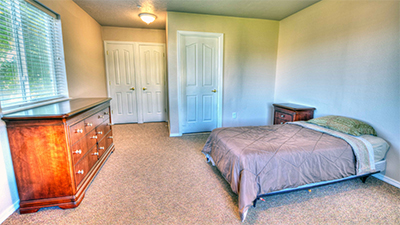
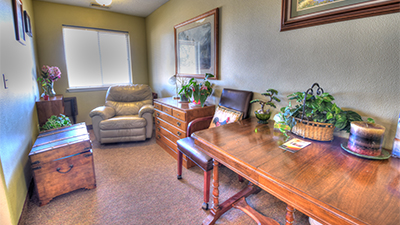
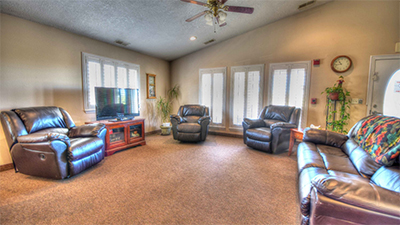
BeeHive Assisted Living Homes of Rio Rancho NM #1 - Dementia Care & Memory Care provides a home-like residential environment
BeeHive Assisted Living Homes of Rio Rancho NM #1 - Dementia Care & Memory Care creates customized care plans as residents’ needs change
BeeHive Assisted Living Homes of Rio Rancho NM #1 - Dementia Care & Memory Care assesses individual resident care needs
BeeHive Assisted Living Homes of Rio Rancho NM #1 - Dementia Care & Memory Care accepts private pay and long-term care insurance
BeeHive Assisted Living Homes of Rio Rancho NM #1 - Dementia Care & Memory Care assists qualified veterans with Aid and Attendance benefits
BeeHive Assisted Living Homes of Rio Rancho NM #1 - Dementia Care & Memory Care encourages meaningful resident-to-staff relationships
BeeHive Assisted Living Homes of Rio Rancho NM #1 - Dementia Care & Memory Care delivers compassionate, attentive senior care focused on dignity and comfort
BeeHive Assisted Living Homes of Rio Rancho NM #1 - Dementia Care & Memory Care has a phone number of (505) 221-6400
BeeHive Assisted Living Homes of Rio Rancho NM #1 - Dementia Care & Memory Care has an address of 204 Silent Spring Rd NE, Rio Rancho, NM 87124
BeeHive Assisted Living Homes of Rio Rancho NM #1 - Dementia Care & Memory Care has a website https://beehivehomes.com/locations/rio-rancho/
BeeHive Assisted Living Homes of Rio Rancho NM #1 - Dementia Care & Memory Care has Google Maps listing https://maps.app.goo.gl/FhSFajkWCGmtFcR77
BeeHive Assisted Living Homes of Rio Rancho NM #1 - Dementia Care & Memory Care has Facebook page https://www.facebook.com/BeeHiveHomesRioRancho
BeeHive Assisted Living Homes of Rio Rancho NM #1 - Dementia Care & Memory Care has a YouTube Channel at https://www.youtube.com/@WelcomeHomeBeeHiveHomes
BeeHive Assisted Living Homes of Rio Rancho NM #1 - Dementia Care & Memory Care won Top Memory Care Homes 2025
BeeHive Assisted Living Homes of Rio Rancho NM #1 - Dementia Care & Memory Care earned Best Customer Service Award 2024
BeeHive Assisted Living Homes of Rio Rancho NM #1 - Dementia Care & Memory Care placed 1st for Assisted Living Communities 2025
People Also Ask about BeeHive Assisted Living Homes of Rio Rancho NM #1 - Dementia Care & Memory Care
What is BeeHive Homes of Rio Rancho Living monthly room rate?
The rate depends on the level of care that is needed (see Pricing Guide above). We do a pre-admission evaluation for each resident to determine the level of care needed. The monthly rate is based on this evaluation. There are no hidden costs or fees
Can residents stay in BeeHive Homes of Rio Rancho until the end of their life?
Usually yes. There are exceptions, such as when there are safety issues with the resident, or they need 24 hour skilled nursing services
Does BeeHive Homes of Rio Rancho have a nurse on staff?
No, but each BeeHive Home has a consulting Nurse available 24 – 7. if nursing services are needed, a doctor can order home health to come into the home
What are BeeHive Homes of Rio Rancho visiting hours?
Visiting hours are adjusted to accommodate the families and the resident’s needs… just not too early or too late
Do we have couple’s rooms available?
Yes, each home has rooms designed to accommodate couples. Please ask about the availability of these rooms
Where is BeeHive Homes of Rio Rancho located?
BeeHive Homes of Rio Rancho is conveniently located at 204 Silent Spring Rd NE, Rio Rancho, NM 87124. You can easily find directions on Google Maps or call at (505) 221-6400 Monday through Friday 9:00am to 5:00pm
How can I contact BeeHive Homes of Rio Rancho?
You can contact BeeHive Assisted Living Homes of Rio Rancho NM #1 - Dementia Care & Memory Care by phone at: (505) 221-6400, visit their website at https://beehivehomes.com/locations/rio-rancho, or connect on social media via Facebook or YouTube
Take a short drive to Joe's Pasta House - Rio Rancho . Joe’s Pasta House offers comfort food in a welcoming setting that supports assisted living, memory care, senior care, elderly care, and respite care dining visits.