How to Compare Senior Care Options: Memory Care vs. Assisted Living
Business Name: BeeHive Assisted Living Homes of Rio Rancho NM #1 - Dementia Care & Memory Care
Address: 204 Silent Spring Rd NE, Rio Rancho, NM 87124
Phone: (505) 221-6400
BeeHive Assisted Living Homes of Rio Rancho NM #1 - Dementia Care & Memory Care
BeeHive Assisted Living Homes of Rio Rancho NM #1 - Dementia Care & Memory Care is a premier Rio Rancho Assisted Living facilities and the perfect transition from an independent living facility or environment. Our Alzheimer care in Rio Rancho, NM is designed to be smaller to create a more intimate atmosphere and to provide a family feel while our residents experience exceptional quality care. We promote memory care assisted living with caregivers who are here to help. Memory care assisted living is one of the most specialized types of senior living facilities you'll find. Dementia care assisted living in Rio Rancho NM offers catered memory care services, attention and medication management, often in a secure dementia assisted living in Rio Rancho or nursing home setting.
204 Silent Spring Rd NE, Rio Rancho, NM 87124
Business Hours
Families hardly ever get to the senior care choice point after a single occasion. It is typically a build-up of small signals, like a range left on or a lease check forgotten, that adds up to a concern with genuine stakes. Where will Mom, Dad, or a spouse live safely, and how can that care feel like a life, not just a service? That is where the choice between assisted living and memory care becomes essential. The 2 overlap in some services, yet they are built for really various needs and outcomes.
I have walked hundreds of families through this fork in the roadway. The best answer depends on diagnosis, habits, personality, family capacity, financial resources, and timing. Getting it wrong is not simply an inconvenience. It can cause falls, roaming, medication mistakes, and fast decrease, or the opposite, unnecessary constraint that blunts an individual's staying strengths. It assists to unpack what each setting actually does, what it does not do, and how to evaluate whether the guarantees on the sales brochure match the truth on the floor.
What assisted living actually provides
Assisted living is developed for older grownups who are mostly independent however require aid with specific everyday tasks. Think about the individual who no longer desires the problem of a home, values having actually meals prepared, and requires support with bathing or medication reminders, yet still makes their own choices. A well run assisted living community uses private houses, 3 meals a day, house cleaning, transport, and a menu of activities. Personnel support covers the normal activities of daily living, such as dressing, grooming, and toileting. Lots of also have going to nurses, on website physical therapy, and medication management for an additional fee.
The approach is social and encouraging, not medical. Locals can lock their doors. They pick breakfast at 7:30 or 9:00, game night or the outside performance. Staff ratios differ, but a common pattern is one caretaker to 12 to 18 locals during the day, less during the night throughout a bigger group, with a nurse on call instead of stationed on the unit. Safety functions include pull cables, movement sensing units, and front desk monitoring, but you will not see alarmed exits on every door.
Assisted living can accommodate moderate memory loss, particularly when symptoms are mostly lapse of memory or slowed processing. Many homeowners in their late eighties fit this profile. They prosper in a routine with light cueing, and they benefit from relationships with peers and personnel they see daily. The problem comes when memory loss is paired with impaired judgment, elopement danger, or habits that require specific training to manage. That is where memory care diverges.
What memory care includes, and why it matters
Memory care is constructed for people living with Alzheimer's illness and other kinds of dementia who need a protected environment and structured, cue rich days. It is still a residential setting, not a medical facility. Apartments are often smaller and organized around typical areas. Designs prevent long corridors that puzzle visual perception. Paint colors and wayfinding hints are picked to support navigation. Bathrooms have actually contrast colored toilet seats so homeowners can see them. Doors to the outside are alarmed and protected to prevent wandering.
The program is not just bingo with a brand-new sign. Personnel receive targeted training in dementia care, including interaction methods to lower escalation, reading nonverbal hints, and utilizing recognition rather than conflict. There is a strong emphasis on routine, sensory engagement, and significant activity. Instead of a one hour art class, you may see short small group sessions every 90 minutes, like folding towels, sorting buttons, or watering plants, woven with music, reminiscence, and walks. Schedules are flexible enough to satisfy individuals where they are, like offering a night treat for those who are active after supper, and quiet, low light areas for residents who sundown.
Clinical oversight tends to be tighter. A nurse is more often present on the unit. Medication passes are more frequent due to the fact that some dementia medications and habits supports require constant timing. There is also more proactive tracking for dehydration, urinary tract infections, and constipation, all of which can appear like unexpected behavioral modification and are common triggers for hospitalization in this population.
The net effect is a setting that can manage complex habits and higher care requirements while maintaining dignity. Households frequently fret that a secured door indicates a locked away life. Excellent memory care does the opposite. It opens safe ways to move, connect, and reveal a self that is changing however not gone.
The gray zone, where decisions get tricky
The line in between assisted living and memory care is not crisp. I think of Ms. Greene, a retired curator with early stage Alzheimer's who moved to assisted living at 78. She handled her own grooming and participated in book club, however she skipped meals, lost weight, and grew anxious at night. Staff supplied cued meals and added a nutrition shake mid afternoon. They combined her with a resident ambassador who knocked on her door before supper. That setting worked for 18 months. When she began pacing the hall to discover a sibling who had actually passed away years previously and tried to leave the building, it quit working. She needed the predictability and security of a memory care program to lower the nighttime cycle of fear and wandering.
Then there was Mr. Alvarez, 91, living with vascular dementia after a stroke. He needed aid with dressing and medication, but he was oriented to position and time, and he loved the woodworking shop. His daughter explored memory care initially, worried about his diagnosis. We suggested assisted living since his judgment was sound and his delight came from the complete campus offerings. That choice provided him another two years of club activities, daily strolls to the yard, and a simple brief move to memory care later when his confusion and falls increased.
The gray zone comes with risk. Moving prematurely into memory care can feel restrictive and waste cash on services that are not yet necessary. Waiting too long in assisted living can lead to emergency moves after a fall or authorities call for wandering. The art is to match the setting to the risks you wish to control today while watching for the early signs that the balance has shifted.
Behaviors and threats that tip the scale
Real world tipping points tend to cluster around safety and distress. Repeated elopement efforts, nighttime roaming that beats standard door alarms, hostility that staff without dementia training can not de escalate, and refusal to shower or take medications in spite of cueing, all point towards memory care. So does a pattern of misinterpreting the environment, like confusing the closet for the bathroom or consuming non food products. A single episode does not make the case, but a pattern does.
There are quieter signals too. A proud parent who stops signing up with any group activities and becomes separated in their space may be overwhelmed by the size and speed of assisted living. Visual and auditory overstimulation in large dining-room makes some people shut down. If weight reduction or dehydration continue in spite of additional support, a smaller sized memory care dining-room with more frequent, simplified meals can make a distinction. I have actually enjoyed people regain five to 10 pounds simply from constant, calm mealtimes and finger foods they can get without embarrassment.
Medical overlays matter. Parkinson's illness dementia, Lewy body dementia, and frontotemporal dementia can all reveal with behaviors that normal assisted living is not geared up to manage. Hallucinations, impulse control modifications, or changing attention are not merely forgetfulness. Families often ignore these signs since they come and go. Staff require to expect them even when the resident looks fine at 10 a.m.
Staffing, training, and what those ratios truly mean
Staffing is the foundation of both settings, however the mix is different. Assisted living relies heavily on licensed nursing assistants or personal care aides with oversight from a nurse who might cover several floors. Memory care normally improves the ratio and adds more dementia particular training. Ratios are not apples to apples since of layout and skill. A published 1 to 8 ratio in memory care can be more secure than a 1 to 12 in assisted living if the memory care aides are stationed in the living room where locals invest the day, instead of at the end of a hall.

Training depth is telling. Ask how personnel are taught to approach a resident who refuses a shower. A well trained aide will offer options, warm the restroom ahead of time, cue action by action, and change methods if the person ends up being distressed. On the other hand, a rushed aide without training might push ahead, causing escalation and injury. Medication management also varies. In memory care, nurses often coordinate antipsychotic reviews, monitor for dopamine blocking side effects in Lewy body dementia, and work with physicians to adjust does for sundowning. That level of watchfulness is not guaranteed in every assisted living.
Turnover is a quiet variable. A setting with stable staff, even if a little lower ratio on paper, might surpass a greater staffed building that churns through caretakers every month. Homeowners with dementia count on familiar voices and gestures. Connection reduces fear, and fear drives behavior.
Costs, what drives them, and how to read a quote
Sticker shock is common. In numerous areas, assisted living begins around 3,500 to 5,000 dollars per month for lease and fundamental services, then adds tiered care charges based on the time and intricacy of help. Memory care often starts higher, frequently 5,000 to 8,000 dollars, with an all inclusive design or a greater base plus restricted include ons. Prices in big metro areas can exceed 10,000 dollars for memory care when requirements are complex.
Where does the distinction originated from? Greater staffing, protected style, and a more intensive daily program cost money. Anticipate to pay more for a smaller sized resident to personnel ratio and the presence of a nurse covering a tight footprint. Medications, incontinence materials, and specialized treatments are usually separate. Transportation to medical visits may be consisted of for assisted living locals however restricted or accompanied for memory care, often for a fee.
Read the contract gradually. Tiered designs can look cheaper in the beginning, then climb up rapidly as needs increase. All inclusive models move the danger to the provider however may need a longer minimum stay. Ask what sets off a care level boost. If the community bills each time a resident needs two person transfers or nighttime checks, you require to pencil those into your sensible regular monthly cost. Clarify notification periods for moving from assisted living to memory care. Some suppliers run both on the very same campus and will waive some fees for an internal transfer. Others treat it as a new admission.
Long term care insurance can offset costs if the policy triggers have been satisfied, typically based on needing help with two or more activities of daily living or having extreme cognitive problems. Veterans with service linked disabilities or low earnings might get approved for Help and Participation advantages. Medicaid protection for memory care varies by state, and schedule in personal communities is restricted. Numerous households bridge gaps with a mix of cost savings, home sale proceeds, and policy payouts.
Lifestyle, autonomy, and the shape of a day
A great fit honors who the individual has actually always been. Assisted living tends to provide more range and option across a broader campus. For somebody who enjoys spontaneous discussion and independent afternoons with a crossword, this can be best. Memory care cuts the buffet to a curated plate. Activities are easier and repeated by style, not due to the fact that staff ran out of concepts. Repeating produces success and confidence.
One child once informed me, He will dislike being told what to do. She was shocked when her father required to memory care. He disliked the word schedule, however he liked the predictability of warm coffee at 9, singalong at 10, and a walk at 11. In assisted living, he had been missing out on breakfast and taking a snooze on and off, then waking up wired at night. In memory care, his days had an arc that felt secure.
Autonomy is not associated with liberty to fail at security. In assisted living, you may pick when to shower and whether to lock your door, within factor. In memory care, autonomy looks like supported options within a safe container, such as two lunch alternatives, a peaceful or lively table, and an invite to help set napkins if you have restless hands. Families in some cases bristle at the protected door up until they see the trade used on the other side, which is more area to move without a fear of bolting through the wrong exit.
Respite care as a bridge and a test drive
Respite care is a short stay in a senior care community, usually 7 to 30 days, that provides caregivers a break and lets providers assess fit. It is underused and effective. If you are torn between assisted living and memory care, a respite in each can expose how your loved one responds to the environment. Some communities provide a provided apartment or condo and a flat daily rate that consists of meals and care. Others professional rate by month. Insurance coverage rarely covers respite unless connected to a rehabilitation discharge, however the insight can prevent a pricey incorrect move.
I have actually seen respite reframe presumptions. A child insisted his mother would never ever endure a secured door. Three weeks in memory care later, she was noticeably calmer, eating better, and sleeping through the night. The secure entry bothered him more than it did her. Alternatively, a respite in assisted living revealed another household that Dad still delighted in the woodworking club and could handle the design with very little cueing. They saved thousands by waiting a year before transitioning to memory care.
Signs it might be time to move to memory care
There is no single test that addresses this. I try to find clusters throughout security, health, and state of mind. If wandering is relentless and can not be managed with door alarms and cueing, if weight-loss continues in spite of customized meals, if incontinence becomes unmanageable in shared dining or activity areas, or if staff requires behavioral events end up being weekly, the setting likely no longer matches the need. Another marker is the experience of other locals. If one person's loud distress regularly interrupts meals or activities in assisted living, the entire group suffers. Memory care can reroute that energy more skillfully.
Family capability matters too. You may be filling gaps by sitting with your spouse each evening to prevent sundowning. That is honorable, and it is not always sustainable. If the only way assisted living is working is because you or a private assistant provide numerous hours of day-to-day guidance, you are basically running a small memory care in the incorrect space. Sometimes transferring to memory care reduces overall cost because you no longer requirement to layer pricey one on one care on top of assisted living rent.
How to compare neighborhoods on the ground
You can not judge a neighborhood from a brochure. You need to see life in movement. Utilize the following focused checks to anchor your trips and call, and repeat them at different times of day.
- Observe the rhythm of the day. Visit mid early morning and late afternoon, when agitation typically increases. Are locals engaged in short, workable activities, or are they parked in front of a tv? Enjoy shifts like moving from activity to lunch. Smooth handoffs signal great staffing and routines.
- Watch the dining experience. Take a look at plate colors and portion sizes. Are finger foods readily available for those who can not handle utensils? Do personnel sit at eye level and hint bites, or do they stand and hover? Quiet, unhurried dining is a strong predictor of weight stability.
- Test responsiveness. Call a call bell. Time the length of time it takes for personnel to arrive, then do it again later on. Ask what happens over night if a resident is awake and pacing. Answers need to be concrete, not vague assurances.
- Review occurrence patterns. Request de determined data on falls, hospital transfers, and usage of one on one sitters in the last quarter. High rates are not instantly disqualifying, however you desire patterns explained with restorative actions, like staffing changes or new routines.
- Validate staff training and period. Ask how many hours of initial dementia care training are needed, how typically refreshers take place, and what portion of personnel have existed more than a year. Stability plus ongoing training beats a glossy theater program every time.
Questions to ask throughout a tour that expose the truth
Sales pitches rehearse the simple responses. These concerns force specifics and expose how the team thinks.
- How do you embellish take care of someone who declines showers or medications? Explain the last time it was hard and what you tried next.
- What is your specific process if a resident elopes or efforts to leave? Who is informed, how quick, and what changes after to prevent a repeat?
- If my parent is hospitalized, how do you coordinate re entry, medication reconciliation, and treatment services? Who owns that checklist?
- What are the triggers for moving from assisted living to memory care here, and what is the monetary effect of an internal transfer?
- How do you involve households in care plan updates, and how typically do you proactively call us versus waiting on us to call?
Coordinating with physicians and avoiding typical pitfalls
Senior care works best when the clinical team outside the building remains in the loop. Frequently, the primary care doctor changes medications without input from the people who see the resident most hours of the day. Before any relocation, indication releases so the community nurse can talk with the medical professional, neurologist, and therapist. Supply a written standard of behaviors and routines that work, consisting of sleep, favorite foods, and sets off for agitation. If your loved one reacts well to a morning walk and a warm blanket before bath time, that is medical details, not a nicety.
Avoid the trap of chasing a perfect medical diagnosis before choosing a setting. Neuropsych screening can clarify the type of dementia, but waiting months for a visit while worsening habits go unsupported does harm. Select for the requirements you see now, while continuing to pursue medical clearness. Likewise beware of magical thinking that a brand-new tablet will erase the requirement for structure. Medications can minimize anxiety or depression, yet they are not a substitute for a program that matches cognition.
Do not avoid the night tour. Many families visit mid day when whatever looks bright. Memory modifications typically magnify after sunset. See the system at 7 p.m. Are there sufficient staff to stroll with the uneasy? Is lighting warm and low, or severe and buzzing? Basic details in the evening make or break peace.
When the first option is not working
Sometimes you just recognize an inequality after relocation in. Offer it two to 4 weeks unless there is a major safety problem. Transitions agitate anyone, and people with dementia may express that as anger or refusal. Experienced teams can often turn a rough start by anchoring a routine, combining the resident with a constant team member, and inviting the household to visit at strategic times. If your gut informs you the program lacks depth, document specifics. Are meals chaotic every day? Are showers skipped for a week? Patterns matter more than one frazzled Tuesday.
If a modification is needed, do not wait on crisis. Ask the existing supplier for assist with a warm handoff. Share the knowing got so the next group can prevent the very same missteps. One child brought a laminated card with her mom's life highlights, favorite tunes, and 3 soothing phrases. The new memory care posted it in the staff space. respite care That sort of carryover shortens the runway to stability.
The family function after the move
Families sometimes feel their function vanishes when a parent enters a senior care setting. In truth, your role shifts from direct care to advocacy, connection, and joy curation. Bring familiar music playlists. Label clothing plainly. Visit at the time of day your loved one is most responsive, not when it fits your calendar best. Notification and praise what the staff does well. People work harder for families who see them as partners, and that goodwill pays benefits when you require an extra check during the night or fast telephone call after a rough day.
Keep a basic note pad of observations. Dates of mood modifications, falls, medication tweaks, and cravings swings help the nurse see patterns that single shifts miss out on. If your parent had a urinary system infection last March that set off abrupt agitation, highlight that in vibrant on the care strategy. Memory care teams are great, not psychic.
Pulling the threads together
The heart of this decision is not whether memory care is better than assisted living, however which environment finest matches a particular individual at a particular minute. Assisted living works well when cueing suffices, judgment is intact, and a social, flexible day brings energy. Memory care becomes the best option when security threats rise, behaviors need skilled redirection, and a structured, sensory abundant day maintains function. Respite care can check presumptions without committing long term. Expenses reflect staffing and program depth, so comparing line items and sets off for boosts matters as much as the base rate.
If you feel torn, focus on risks that would keep you up at night. If wandering tops the list, select secure. If isolation and loss of interest control, a smaller sized, calmer memory care may in fact open more life than a larger assisted living campus. Ask pointed questions, tour at off hours, and let what you see carry more weight than what you are told. Succeeded, this choice does not end a chapter. It alters the setting so the story can continue with as much safety, comfort, and dignity as possible.
BeeHive Assisted Living Homes of Rio Rancho NM #1 - Dementia Care & Memory Care provides assisted living care
BeeHive Assisted Living Homes of Rio Rancho NM #1 - Dementia Care & Memory Care provides memory care services
BeeHive Assisted Living Homes of Rio Rancho NM #1 - Dementia Care & Memory Care provides respite care services
BeeHive Assisted Living Homes of Rio Rancho NM #1 - Dementia Care & Memory Care supports assistance with bathing and grooming
BeeHive Assisted Living Homes of Rio Rancho NM #1 - Dementia Care & Memory Care offers private bedrooms with private bathrooms
BeeHive Assisted Living Homes of Rio Rancho NM #1 - Dementia Care & Memory Care provides medication monitoring and documentation
BeeHive Assisted Living Homes of Rio Rancho NM #1 - Dementia Care & Memory Care serves dietitian-approved meals
BeeHive Assisted Living Homes of Rio Rancho NM #1 - Dementia Care & Memory Care provides housekeeping services
BeeHive Assisted Living Homes of Rio Rancho NM #1 - Dementia Care & Memory Care provides laundry services
BeeHive Assisted Living Homes of Rio Rancho NM #1 - Dementia Care & Memory Care offers community dining and social engagement activities
BeeHive Assisted Living Homes of Rio Rancho NM #1 - Dementia Care & Memory Care features life enrichment activities
BeeHive Assisted Living Homes of Rio Rancho NM #1 - Dementia Care & Memory Care supports personal care assistance during meals and daily routines
BeeHive Assisted Living Homes of Rio Rancho NM #1 - Dementia Care & Memory Care promotes frequent physical and mental exercise opportunities
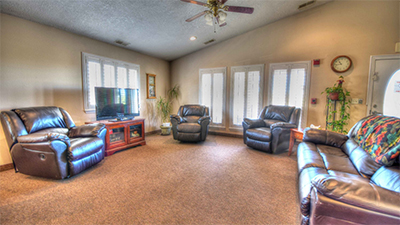
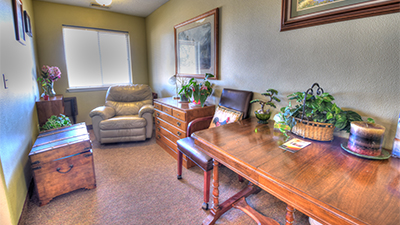
BeeHive Assisted Living Homes of Rio Rancho NM #1 - Dementia Care & Memory Care provides a home-like residential environment
BeeHive Assisted Living Homes of Rio Rancho NM #1 - Dementia Care & Memory Care creates customized care plans as residents’ needs change
BeeHive Assisted Living Homes of Rio Rancho NM #1 - Dementia Care & Memory Care assesses individual resident care needs
BeeHive Assisted Living Homes of Rio Rancho NM #1 - Dementia Care & Memory Care accepts private pay and long-term care insurance
BeeHive Assisted Living Homes of Rio Rancho NM #1 - Dementia Care & Memory Care assists qualified veterans with Aid and Attendance benefits
BeeHive Assisted Living Homes of Rio Rancho NM #1 - Dementia Care & Memory Care encourages meaningful resident-to-staff relationships
BeeHive Assisted Living Homes of Rio Rancho NM #1 - Dementia Care & Memory Care delivers compassionate, attentive senior care focused on dignity and comfort
BeeHive Assisted Living Homes of Rio Rancho NM #1 - Dementia Care & Memory Care has a phone number of (505) 221-6400
BeeHive Assisted Living Homes of Rio Rancho NM #1 - Dementia Care & Memory Care has an address of 204 Silent Spring Rd NE, Rio Rancho, NM 87124
BeeHive Assisted Living Homes of Rio Rancho NM #1 - Dementia Care & Memory Care has a website https://beehivehomes.com/locations/rio-rancho/
BeeHive Assisted Living Homes of Rio Rancho NM #1 - Dementia Care & Memory Care has Google Maps listing https://maps.app.goo.gl/FhSFajkWCGmtFcR77
BeeHive Assisted Living Homes of Rio Rancho NM #1 - Dementia Care & Memory Care has Facebook page https://www.facebook.com/BeeHiveHomesRioRancho
BeeHive Assisted Living Homes of Rio Rancho NM #1 - Dementia Care & Memory Care has a YouTube Channel at https://www.youtube.com/@WelcomeHomeBeeHiveHomes
BeeHive Assisted Living Homes of Rio Rancho NM #1 - Dementia Care & Memory Care won Top Memory Care Homes 2025
BeeHive Assisted Living Homes of Rio Rancho NM #1 - Dementia Care & Memory Care earned Best Customer Service Award 2024
BeeHive Assisted Living Homes of Rio Rancho NM #1 - Dementia Care & Memory Care placed 1st for Assisted Living Communities 2025
People Also Ask about BeeHive Assisted Living Homes of Rio Rancho NM #1 - Dementia Care & Memory Care
What is BeeHive Homes of Rio Rancho Living monthly room rate?
The rate depends on the level of care that is needed (see Pricing Guide above). We do a pre-admission evaluation for each resident to determine the level of care needed. The monthly rate is based on this evaluation. There are no hidden costs or fees
Can residents stay in BeeHive Homes of Rio Rancho until the end of their life?
Usually yes. There are exceptions, such as when there are safety issues with the resident, or they need 24 hour skilled nursing services
Does BeeHive Homes of Rio Rancho have a nurse on staff?
No, but each BeeHive Home has a consulting Nurse available 24 – 7. if nursing services are needed, a doctor can order home health to come into the home
What are BeeHive Homes of Rio Rancho visiting hours?
Visiting hours are adjusted to accommodate the families and the resident’s needs… just not too early or too late
Do we have couple’s rooms available?
Yes, each home has rooms designed to accommodate couples. Please ask about the availability of these rooms
Where is BeeHive Homes of Rio Rancho located?
BeeHive Homes of Rio Rancho is conveniently located at 204 Silent Spring Rd NE, Rio Rancho, NM 87124. You can easily find directions on Google Maps or call at (505) 221-6400 Monday through Friday 9:00am to 5:00pm
How can I contact BeeHive Homes of Rio Rancho?
You can contact BeeHive Assisted Living Homes of Rio Rancho NM #1 - Dementia Care & Memory Care by phone at: (505) 221-6400, visit their website at https://beehivehomes.com/locations/rio-rancho, or connect on social media via Facebook or YouTube
Residents may take a trip to the Turtle Mountain Brewing Company. The Turtle Mountain Brewing Company offers a relaxed dining atmosphere suitable for assisted living, senior care, elderly care, and respite care family meals.